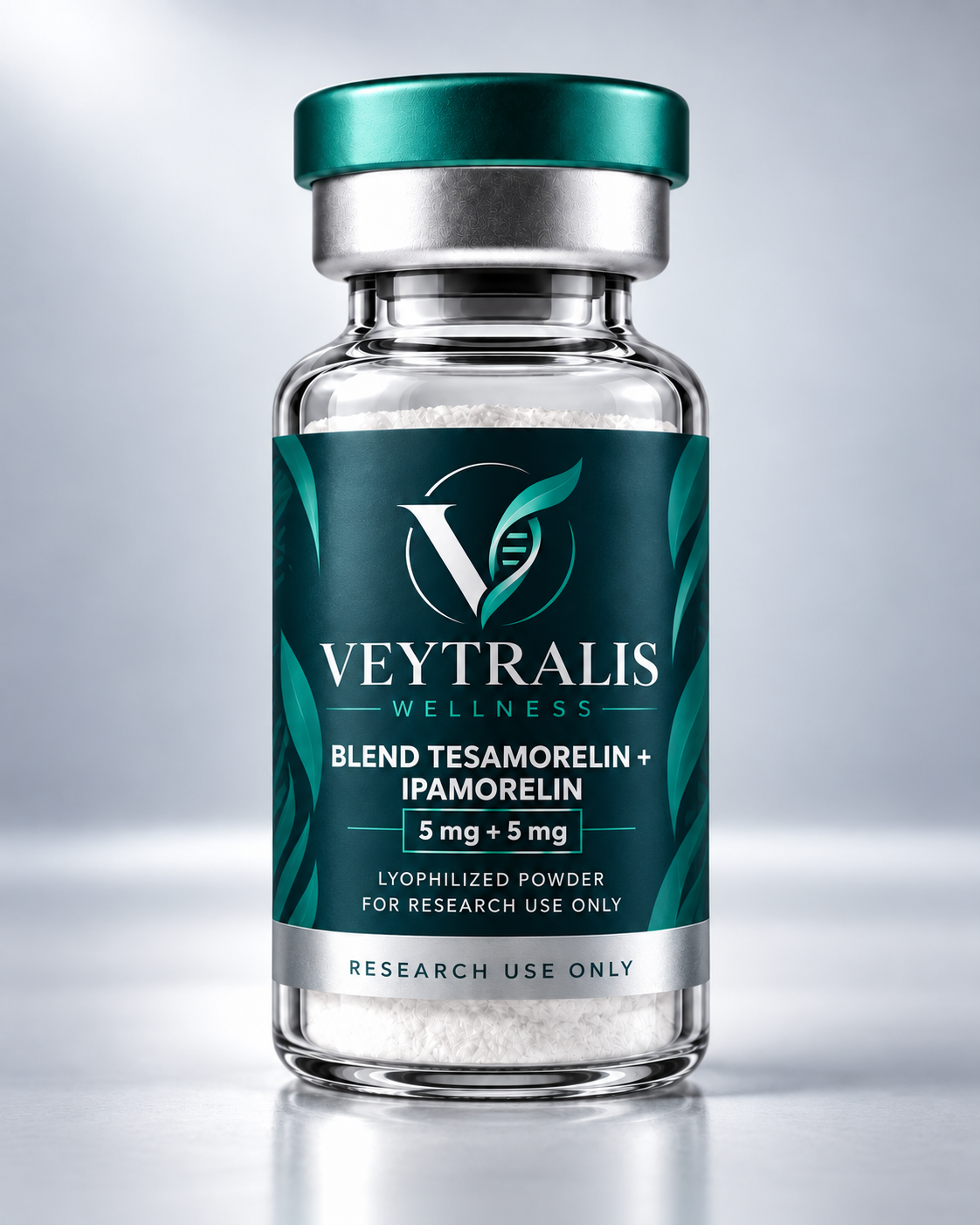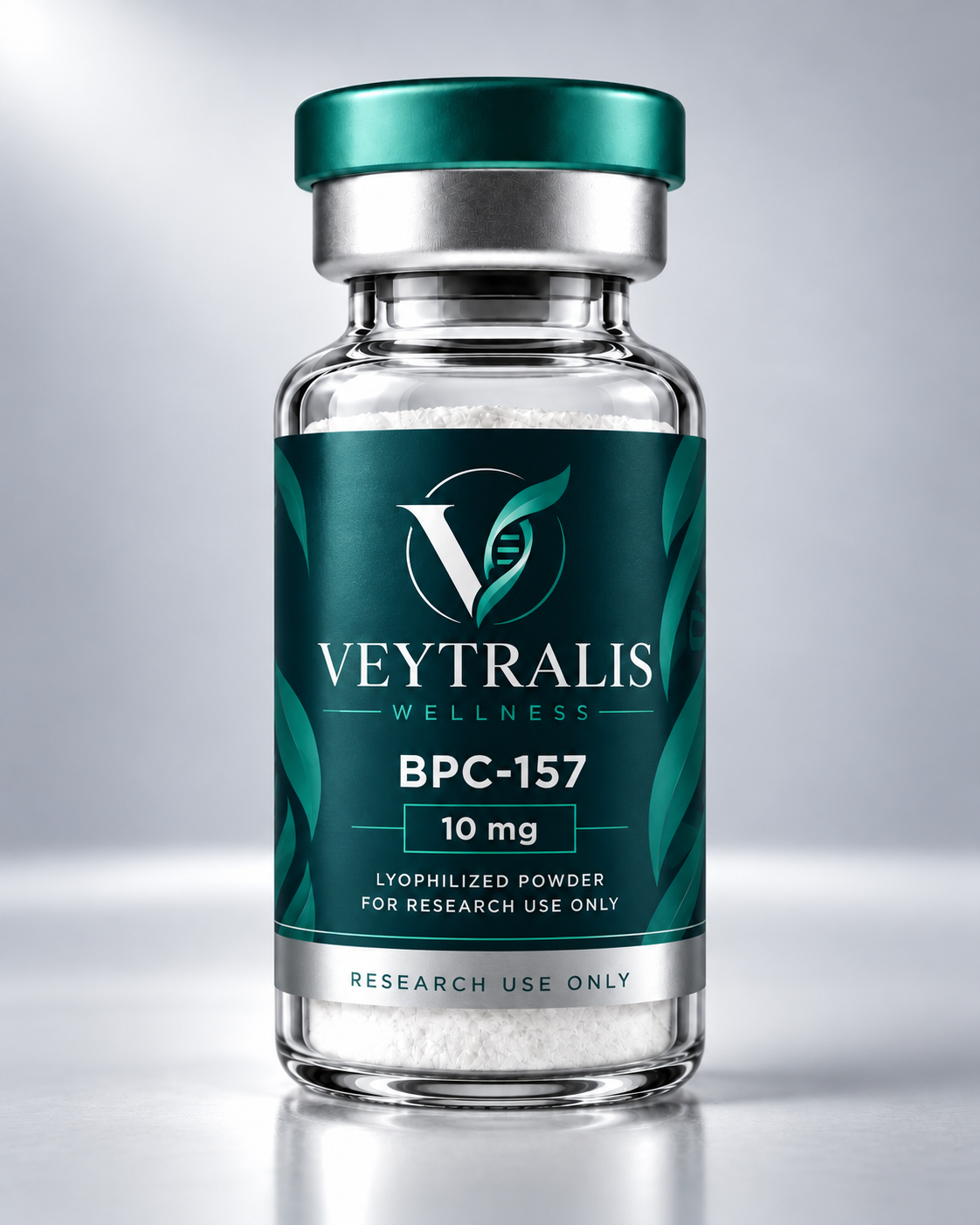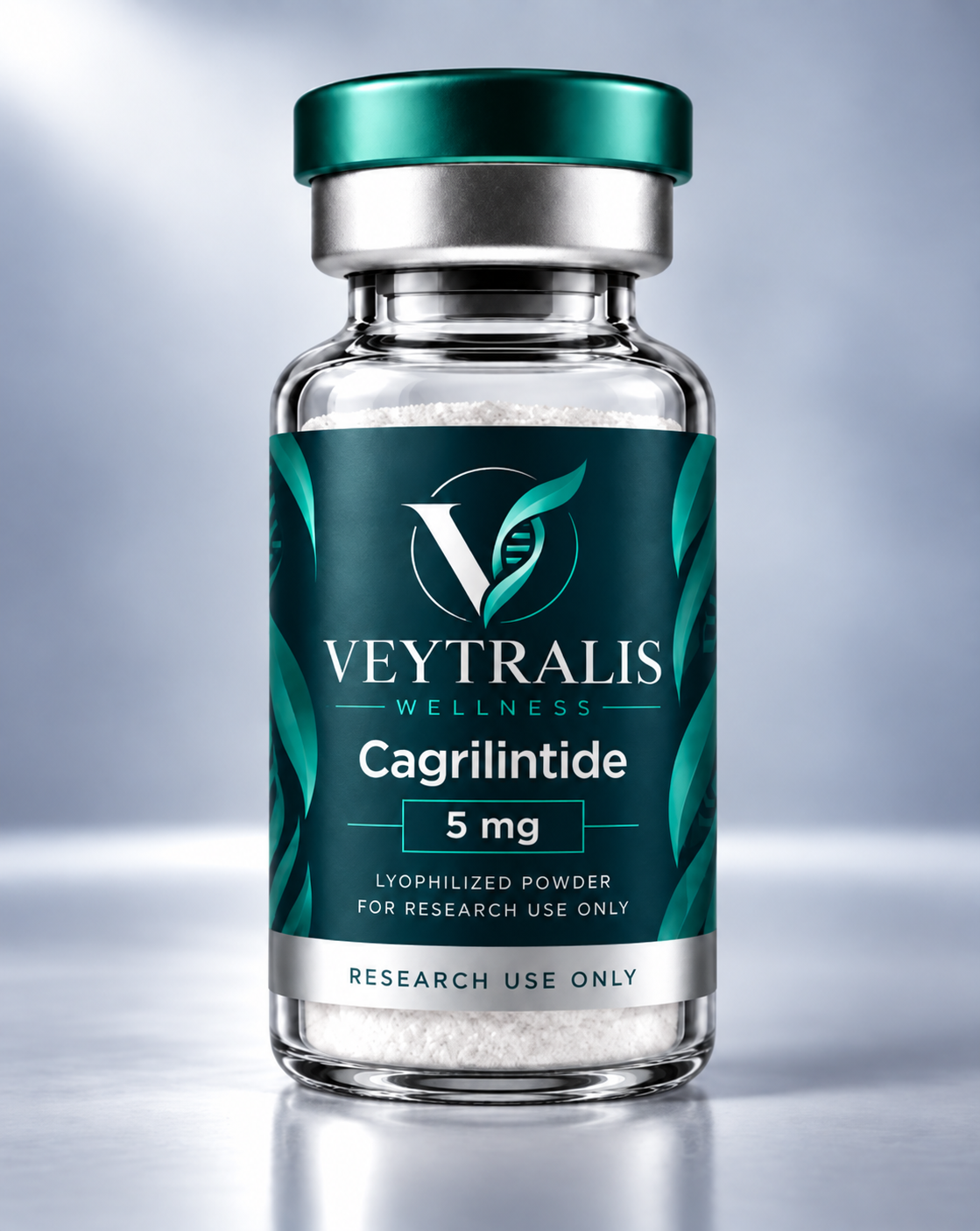
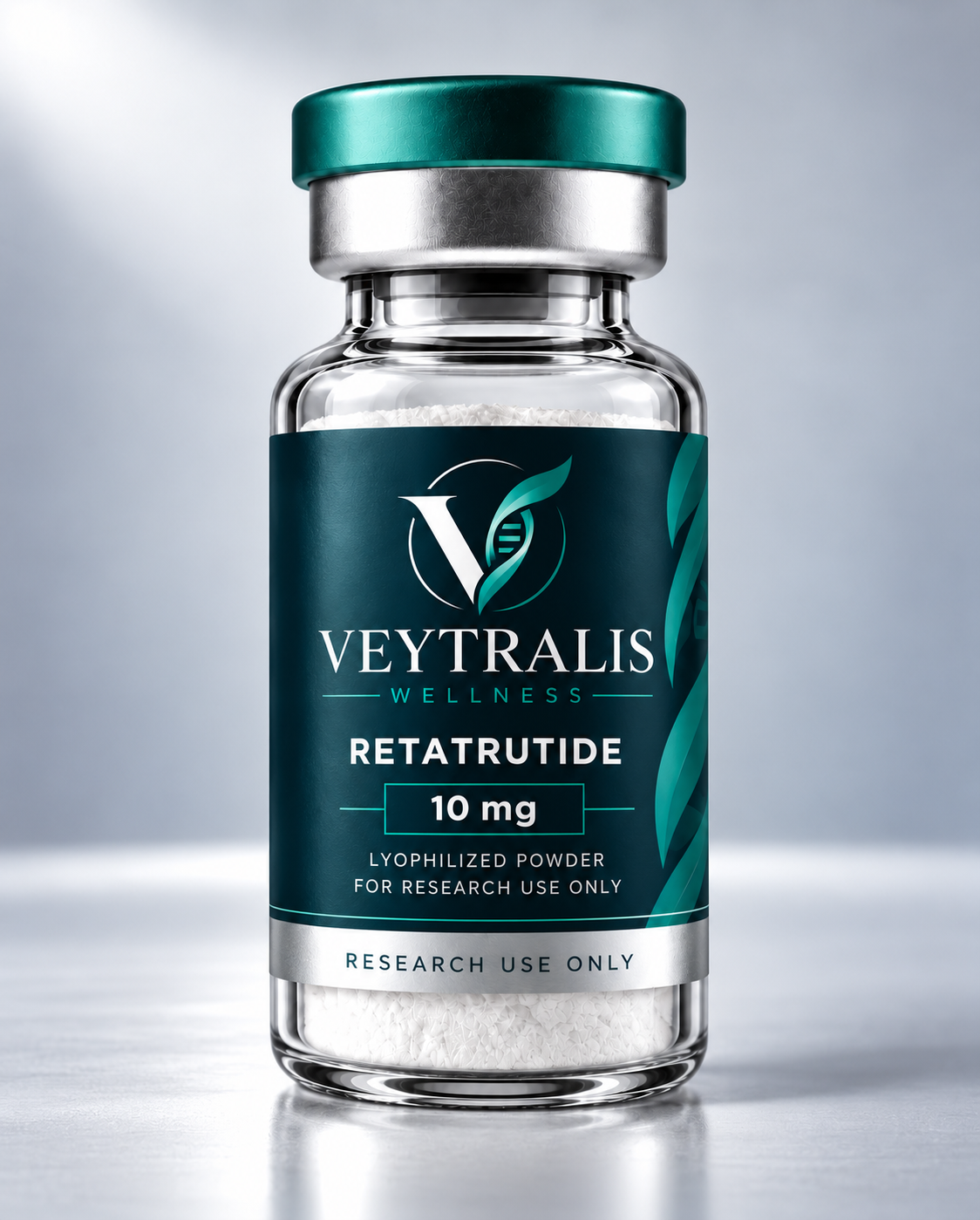
 99%+ purity
Retatrutide
Peptide analog
60mg, 30mg, 20mg, 10mg
$75.00 – $249.00
Research use only · Not for human or veterinary use
Research Overview
Each compound in our catalog is supported by published preclinical literature spanning tissue biology, neuroendocrinology, metabolic research, and CNS science. This section documents the research domains, compound classifications, and mechanisms of action relevant to our catalog.
Our Approach
Every compound in our catalog undergoes independent third-party HPLC and LC-MS analysis before release. Our sourcing criteria require GMP-compliant manufacturing and traceable batch documentation. We supply peptide compounds exclusively for in vitro research purposes, and our product descriptions reference published preclinical literature only — no therapeutic claims are made.
Research Domains
BPC-157 and GHK-Cu are investigated for their roles in growth factor expression, extracellular matrix synthesis, and cellular survival under inflammatory conditions.
CJC-1295, Ipamorelin, and GHRP-6 are studied for pituitary GH release, IGF-1 expression, and downstream metabolic signaling pathways.
Semax and Selank are investigated for BDNF regulation, neurotrophic signaling, and anxiolytic mechanisms in published rodent studies.
Melanotan II is studied for high-affinity binding at MC1R–MC5R receptor subtypes in pigmentation pathway and reproductive neuroendocrinology research.
Epithalon and GHK-Cu are examined for telomerase activation, neuroendocrine clock modulation, and antioxidant gene expression in senescence models.
TB-500 and BPC-157 are investigated in tendon, ligament, and muscle fiber models. Studies examine myosin expression and satellite cell activation.
Compound Reference
| Compound | Class | Sequence | MW (Da) | Primary Research Area | SKU |
|---|---|---|---|---|---|
| BPC-157 | Pentadecapeptide | GEPPPGKPADDAGLV | 1419.56 | Cytoprotection, GI Research | PRB-001 |
| TB-500 | Tetrapeptide Fragment | Ac-LKKTETQ | 888.0 | Actin Regulation, Tissue | PRB-002 |
| CJC-1295 | GHRH Analogue | Modified GHRH(1-29) | 3647.9 | GH Secretion | PRB-003 |
| Semax | Heptapeptide | MEHFPGP | 808.9 | Neuroprotection, BDNF | PRB-004 |
| Ipamorelin | Pentapeptide | Aib-HWRANH₂ | 711.85 | GH Pulse, Pituitary | PRB-005 |
| Melanotan II | Cyclic Heptapeptide | Ac-Nle-c[Asp-His-DPhe-Arg-Trp-Lys]NH₂ | 1024.2 | Melanocortin Receptors | PRB-006 |
| GHRP-6 | Hexapeptide | His-DTrp-Ala-Trp-DPhe-Lys | 873.02 | GH Release, Ghrelin | PRB-007 |
| AOD-9604 | HGH Fragment | hGH Tyr-Leu-Arg… | 1815.1 | Lipid Metabolism | PRB-008 |
| Selank | Heptapeptide | TKPRPGP | 751.87 | Anxiolytic, IL-6, CNS | PRB-009 |
| GHK-Cu | Copper Tripeptide | Gly-His-Lys · Cu²⁺ | 340.38 | ECM, Antioxidant | PRB-010 |
| MK-677 | Non-peptide SM | C₂₇H₃₆N₄O₅S | 624.77 | Oral GH Secretagogue | PRB-011 |
| Epithalon | Tetrapeptide | Ala-Glu-Asp-Gly | 390.35 | Telomerase, Aging | PRB-012 |
Spotlight Compounds
99%+ purityPeptide analog
60mg, 30mg, 20mg, 10mg
$75.00 – $249.00
Research use only · Not for human or veterinary use
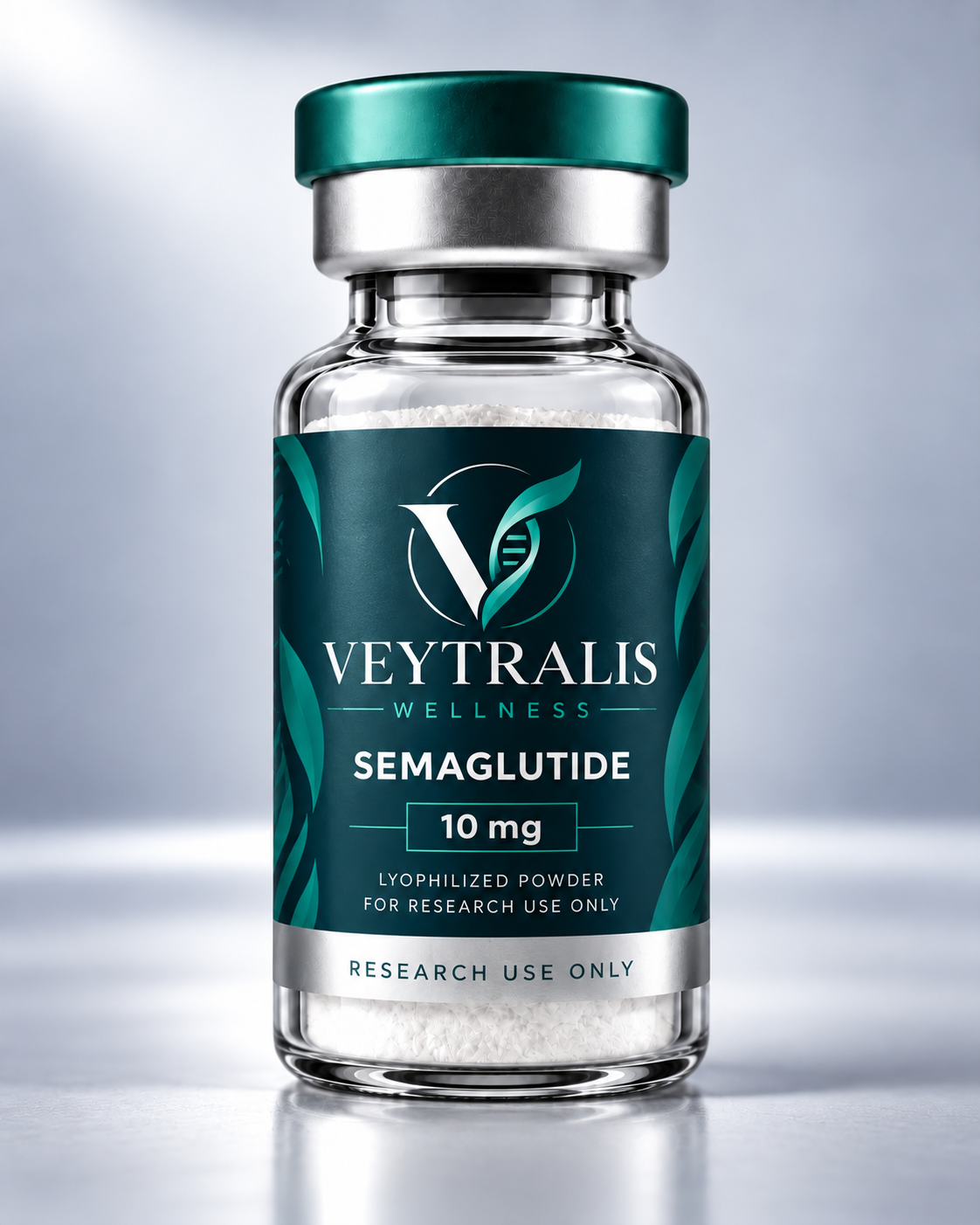 99%+ purity
Peptide analog
20mg, 10mg
$75.00 – $110.00
Research use only · Not for human or veterinary use
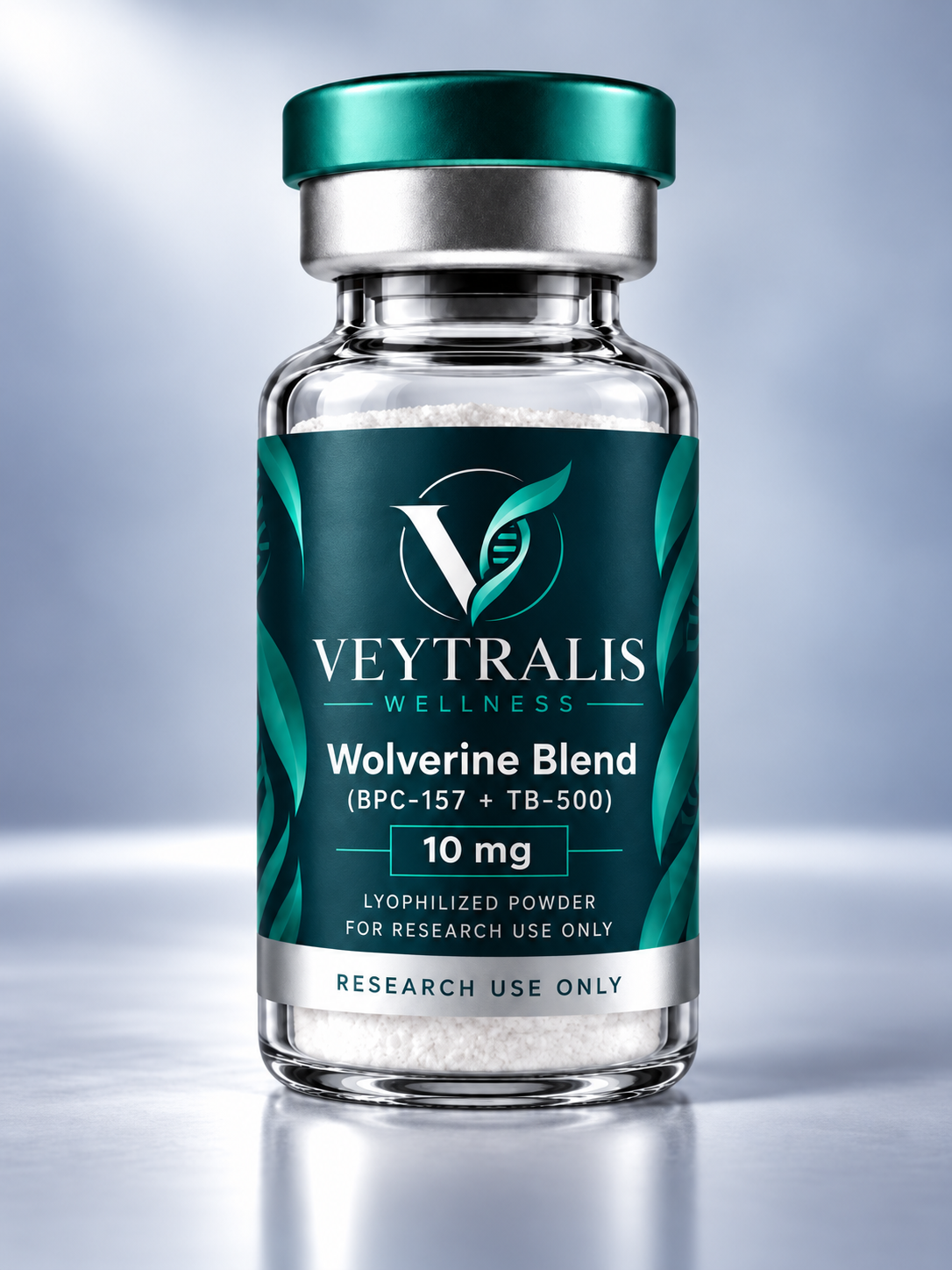 99%+ purity
Multi-compound blend
10mg + 10mg, 5mg + 5mg
$79.00 – $129.00
Research use only · Not for human or veterinary use
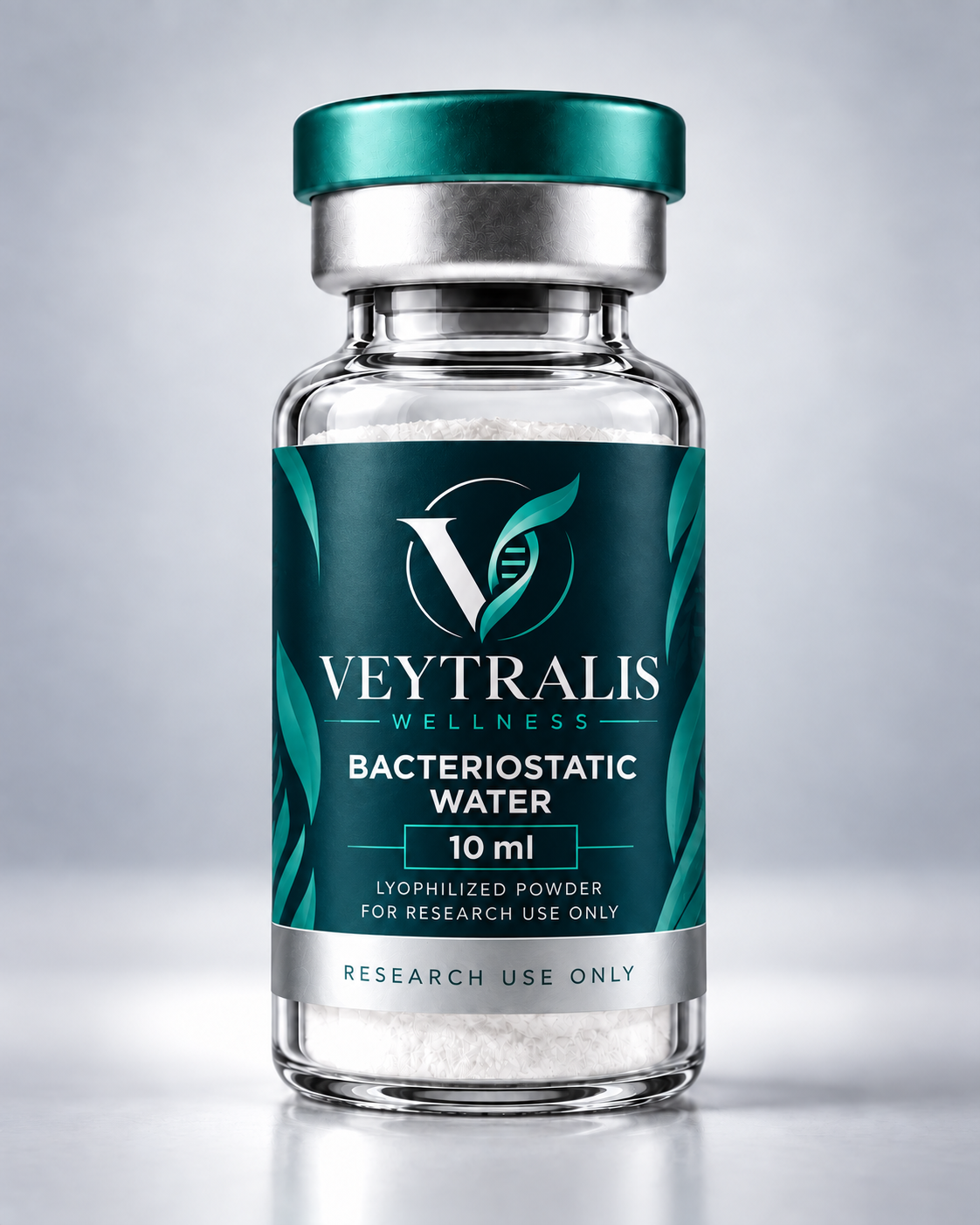 99%+ purity
Laboratory diluent
10mL, 3mL
$12.00 – $20.00
Research use only · Not for human or veterinary use
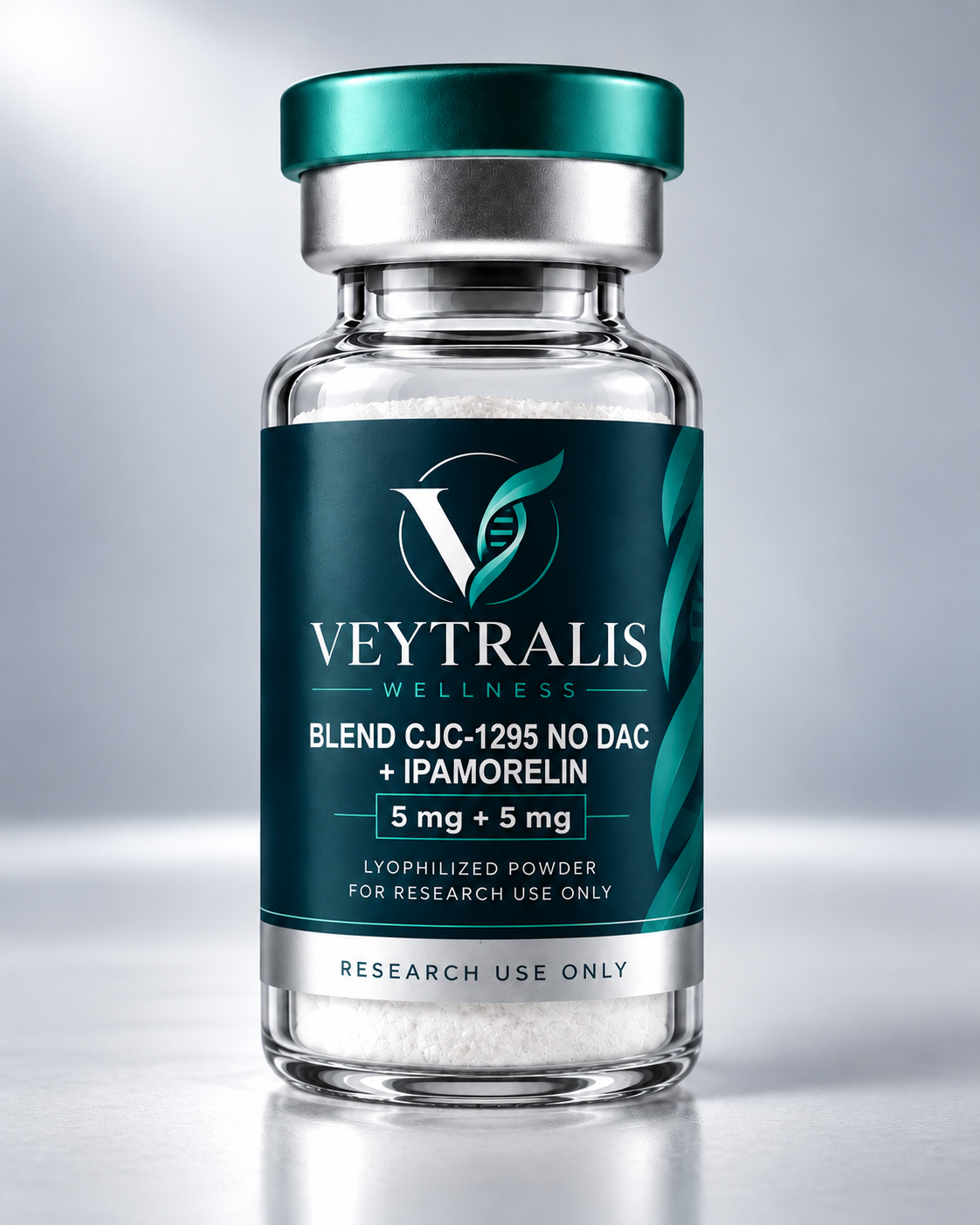 99%+ purity
Multi-compound blend
5mg + 5mg
$89.00
Research use only · Not for human or veterinary use